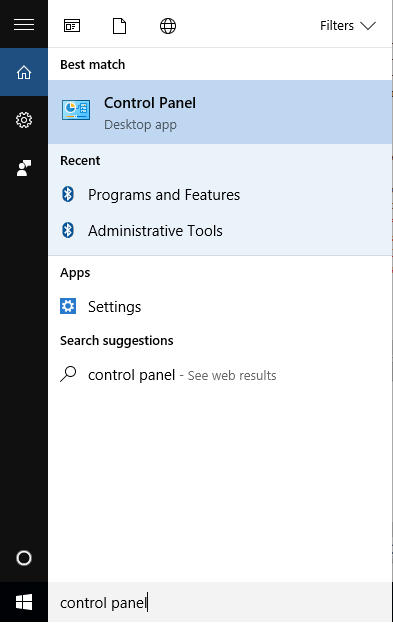
1. Open the 'Control Panel'.
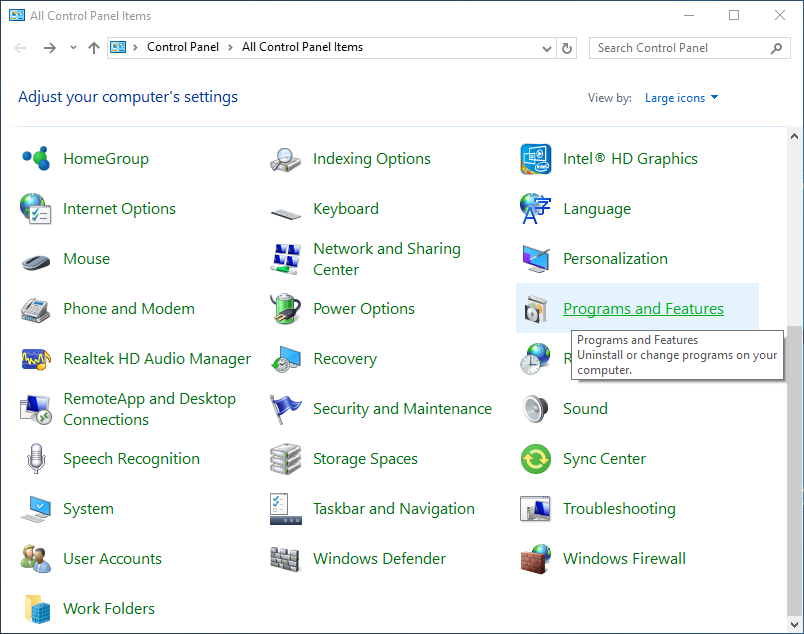
2. Click on the 'Programs and Features' icon.
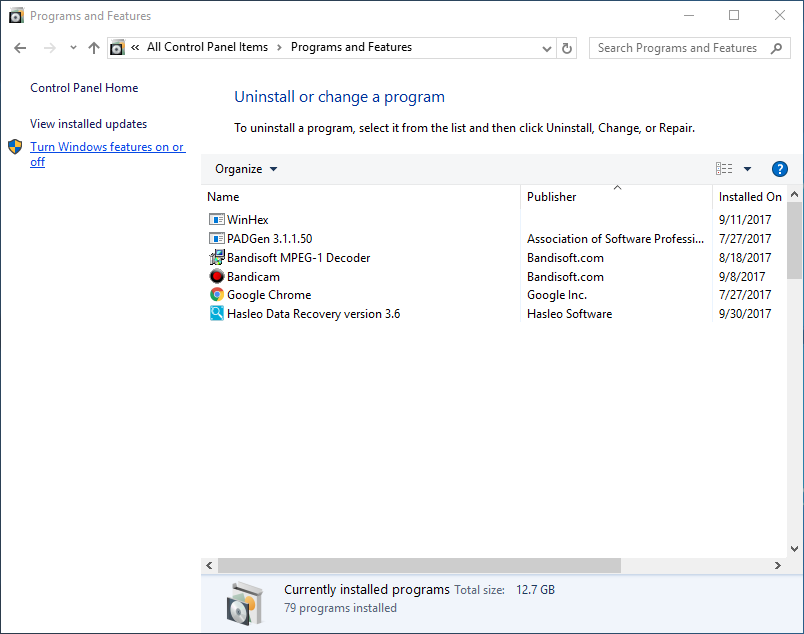
3. Click on the 'Turn Windows features on or off' link in the left pane.
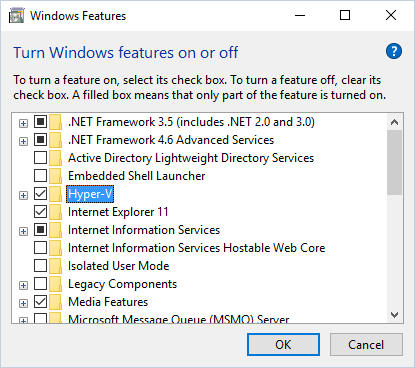
4. Enable/Disable Hyper-V Role.
- To enable Hyper-V Role, please ensure that all Hyper-V options are checked, then click 'OK'.
- To disable Hyper-V Role, please uncheck Hyper-V, then click 'OK'.
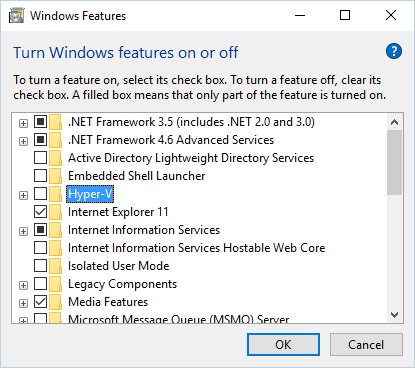
5. Restart the computer if Windows prompts.
Frequently Asked Questions
A: Hyper-V is Microsoft's hardware virtualization platform that allows you to create and run virtual machines on your computer. You can run multiple operating systems (like Linux, older Windows versions) simultaneously on one physical machine without interfering with each other.
A: Hyper-V is only available on Windows 10/8 Pro, Enterprise, and Education editions. It is not available on Windows Home edition. You can check your Windows edition by typing 'winver' in the Run dialog.
A: Yes, Hyper-V is available on Windows 11 Pro, Enterprise, and Education editions. The process to enable or disable it is similar to Windows 10. Windows 11 Home does not include Hyper-V, but you can use third-party virtualization software like VirtualBox instead.
A: When Hyper-V is enabled but no virtual machines are running, the performance impact is minimal. When running virtual machines, performance depends on the resources you assign to each VM. Hyper-V uses a type-1 hypervisor that runs directly on hardware, making it more efficient than type-2 virtualization software.
A: No, Hyper-V and VirtualBox cannot run simultaneously on the same computer because they both require exclusive control of the processor's virtualization features. You must disable Hyper-V to use VirtualBox, or use Hyper-V's built-in virtualization and convert your VirtualBox VMs.
A: Yes, Windows requires a restart after enabling or disabling the Hyper-V role. The system will prompt you to restart when you confirm your changes. Make sure to save any open work before proceeding with the restart.
A: When enabling Hyper-V, make sure to check all related options including Hyper-V Platform, Hyper-V Hypervisor, and Management Tools. For full functionality, also enable Virtual Machine Connection and PowerShell Module for Hyper-V if available in your Windows version.
A: After enabling Hyper-V, you can create virtual machines using Hyper-V Manager (search 'Hyper-V Manager' in Windows search). You can also use PowerShell with commands like 'New-VM' or use Quick Create from Hyper-V Manager to set up new virtual machines with minimal configuration.