- Why Encrypt Hardware Drives?
- How to Encrypt a Hard Drive in Windows 11/10?
- How to Encrypt a Hard Drive in Windows 11/10 Pro/Enterprise Using BitLocker?
- How to Encrypt a Hard Drive in Windows 11/10 Home with Hasleo BitLocker Anywhere?
- Frequently Asked Questions (FAQ)
- Conclusion
This tutorial provides a detailed walkthrough of how to encrypt a hard drive with BitLocker in Windows 11/10.
Why Encrypt Hardware Drives?
We encrypt hard drives for one primary reason: data security. In recent years, despite the introduction of relevant laws and regulations by governments and organizations worldwide, the number of data leakage incidents has continued to rise - some involving even the world's leading companies. Therefore, protecting sensitive data demands our full attention. The most effective way to prevent data leakage is to encrypt important data, whether individual files or the entire drive that contains them. This tutorial focuses on how to encrypt hardware drives.
How to Encrypt a Hard Drive in Windows 11/10?
There are many softwares on the market that can be used to encrypt hard drives in Windows 11/10, such as Microsoft BitLocker, Symantec Endpoint Encryption, McAfee Complete Data Protection, VeraCrypt, TrueCrypt, etc. If you are an open source and free software enthusiast, you can use TrueCrypt or VeraCrypt. If you are very concerned about the technical support of the product, then you can choose the products of commercial companies such as Symantec and McAfee, which are usually very expensive. If you are a fan of Microsoft, then Microsoft BitLocker is your best choice. Here, we recommend that you use Microsoft BitLocker, because Microsoft is the most famous software company in the world, its products are worthy of our trust, and BitLocker is a built-in encryption feature of Windows 11/10. The only flaw is that although we can access BitLocker encrypted drives in Windows 11/10 Home, we cannot encrypt and decrypt drives. Fortunately, we can still use BitLocker Anywhere to encrypt hardware drives in Windows 10 Home.



How to Encrypt a Hard Drive in Windows 11/10 Pro/Enterprise Using BitLocker?
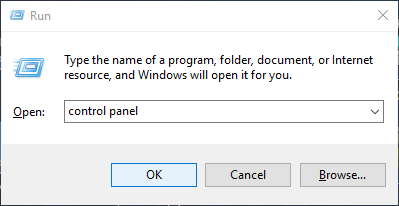
Step 1. Press "Windows + R" to open the Run dialog. Type "control panel" in the edit box and click "OK".
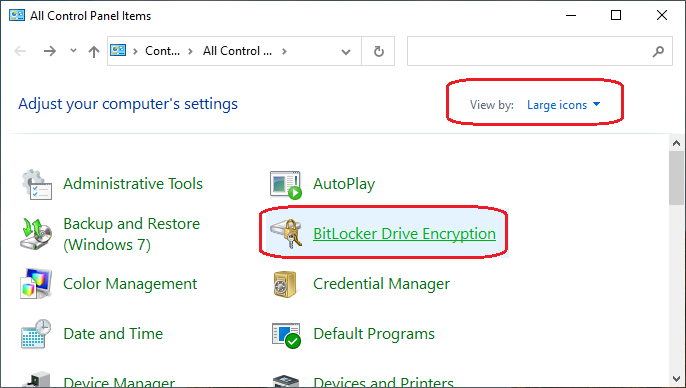
Step 2. In the Control Panel, select "View by: Large icons", then click "BitLocker Drive Encryption".
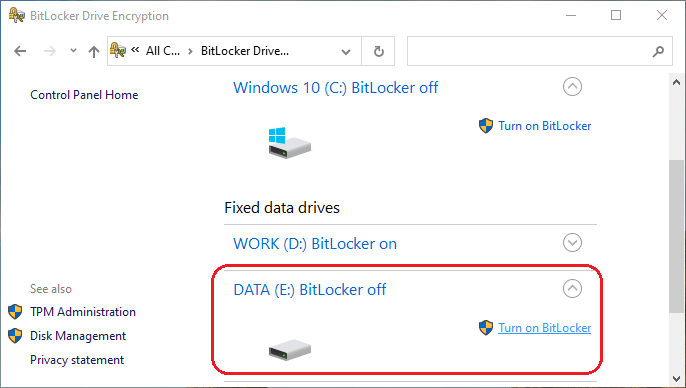
Step 3. Find the drive you want to encrypt and click "Turn on BitLocker".
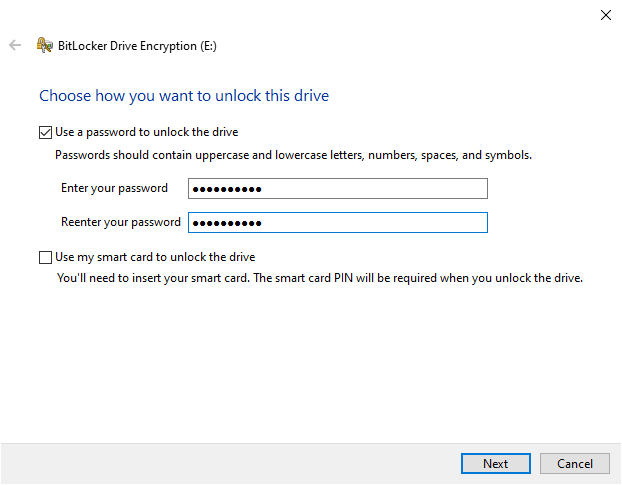
Step 4. Enter the encryption password and save the BitLocker recovery key.
Step 5. Select the encryption method and encryption mode.
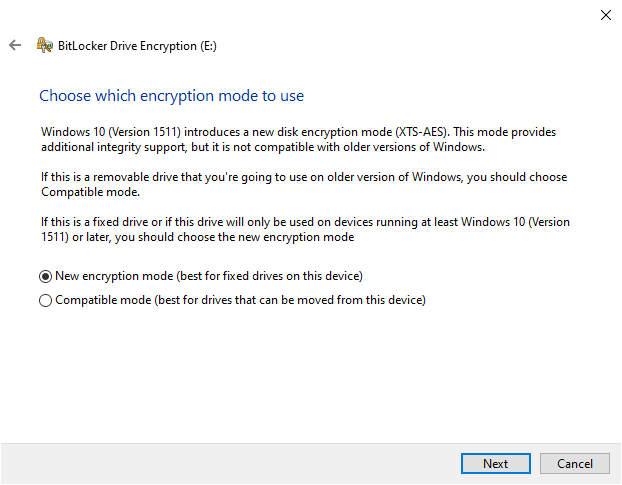
Step 6. Click "Start encrypting" to begin the process.
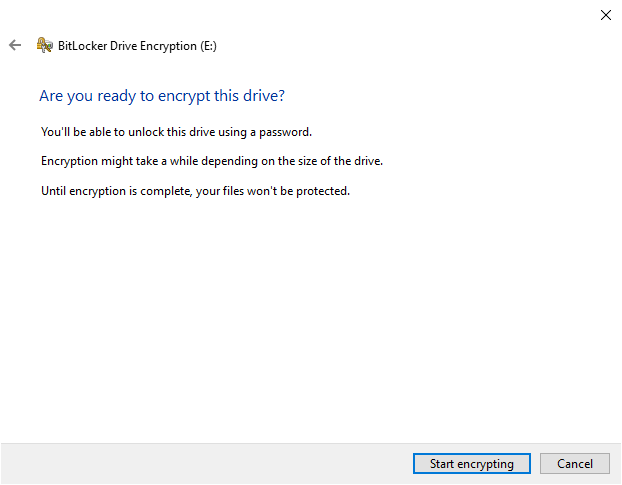
Step 7. The encryption process will start. The time required depends on the drive size and the encryption method selected.
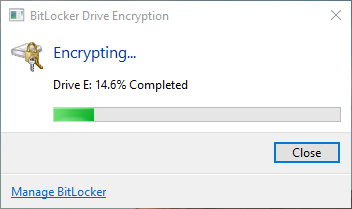
Please note that with the above method, you can only encrypt a hard drive on Windows 11/10 Professional and Enterprise editions. If you are using Windows 11/10 Home Edition, please follow the steps below to encrypt your hard drive.
How to Encrypt a Hard Drive in Windows 11/10 Home with Hasleo BitLocker Anywhere?
Step 1. Download and install Hasleo BitLocker Anywhere For Windows.
Step 2. Launch Hasleo BitLocker Anywhere For Windows, right-click the drive letter you want to encrypt, then click "Turn On BitLocker".
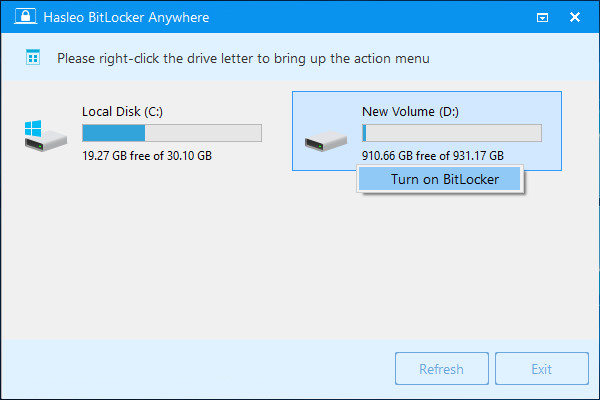
Step 3. In this step, you are required to specify a password for encrypting the drive, enter the password and click "Next". You should choose a password having a combination of upper and lower case letters, numbers, spaces, and special symbols. Once the encryption is complete, you can access the drive using this password.
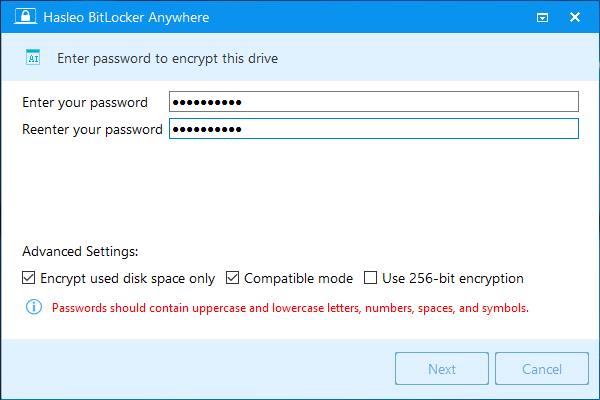
Step 4. Back up BitLocker recovery key, then click "Next" to move on. You can save the recovery key to a file or print a copy of it. Please note that anyone can use the recovery key to gain access to the drive, even if they do not know the password entered in the previous step, so please do not disclose it to others.
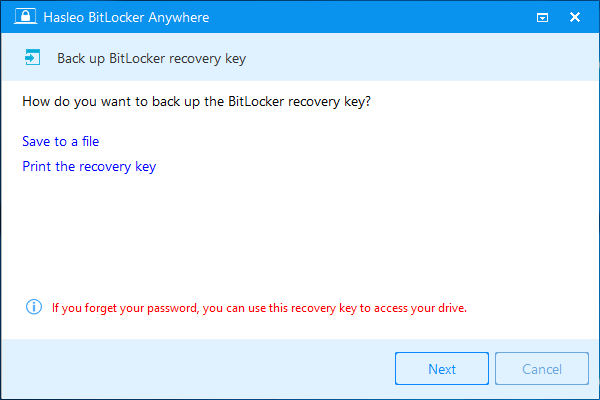
Step 5. Hasleo BitLocker Anywhere for Windows will now encrypt the selected drive using BitLocker drive encryption. Depending on the drive size, this process may take a while. You can check "Shut down the computer when the operation is completed" if you don't want to wait.
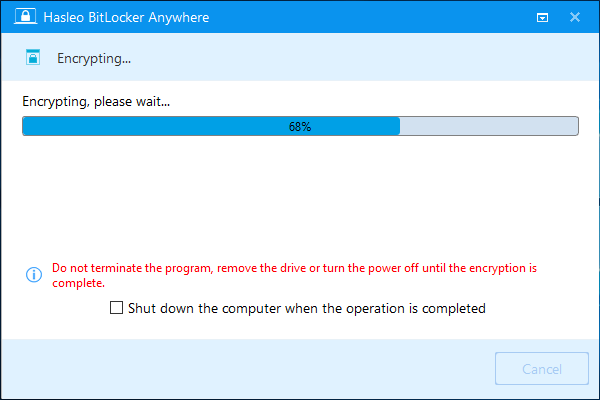
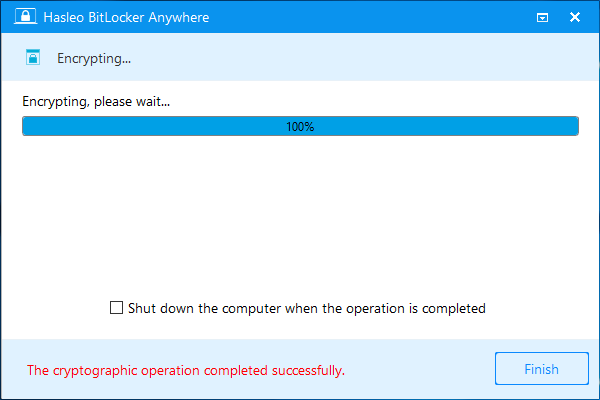
Step 6. After the encryption is complete, click the "Finish" button to close the window.
Frequently Asked Questions (FAQ) for Encrypting Hard Drive in Windows 11/10
A: No, Windows Home editions do not include BitLocker encryption feature. BitLocker is only available in Windows Pro, Enterprise, and Education editions. You need third-party software like Hasleo BitLocker Anywhere to encrypt drives in Windows Home.
A: Yes, BitLocker-encrypted drives can be accessed across different Windows versions as long as you have the password or recovery key.
A: Encryption time depends on the drive size and speed. For large drives, it may take several hours. You can continue using your computer during the encryption process.
A: If you forget the password, you can use the BitLocker recovery key to unlock the drive. The recovery key is a 48-digit numeric code that you should back up during the encryption process.
A: No, encrypting a hard drive does not erase your data. The encryption process converts data in place without deleting files. However, it is always recommended to back up important data before encryption as a precaution.
A: Yes, you can encrypt both internal and external hard drives with BitLocker. External drives can be accessed on other computers, while internal drives protect data on your specific computer.
A: BitLocker encryption has minimal impact on hard drive performance. The encryption is performed transparently during read/write operations, and most users won't notice any difference in speed.
A: Yes, BitLocker works on both solid-state drives (SSD) and hard disk drives (HDD). It is compatible with any drive that uses NTFS, FAT32, or exFAT file systems.
Conclusion
Windows built-in BitLocker encryption is only available in Professional and Enterprise editions. With Hasleo BitLocker Anywhere, you can not only encrypt drives in Windows 11/10 Home Edition but also access advanced BitLocker features not supported by Home Edition, such as decrypting BitLocker-encrypted drives and changing passwords for BitLocker-encrypted drives.