

- How to Recover Lost Files After Upgrading from Windows 7/8/8.1 to Windows 10 with Hasleo Data Recovery Free.
- Frequently Asked Questions (FAQ)
- Conclusion
Should you migrate to Windows 10 or continue using what you've got? Unfortunately, there is no universally correct answer to this question. Nowadays, many people are still better off sticking with Windows 7 or Windows 8, but more people choose to upgrade to Windows 10. As we all know, the upgrade process will change data on your disk, so you are at high risk of loss of data.
Losing precious files after upgrading from Windows 7/8/8.1 to Windows 10 can be distressing. You may feel unsure of what to do next. The good news is that you don't need to panic—professional data recovery software can help. Hasleo Data Recovery is specifically designed to recover lost files on Windows systems. Its advanced scanning engine efficiently locates and restores deleted or lost data, giving you peace of mind.

How to Recover Lost Files After Upgrading from Windows 7/8/8.1 to Windows 10 with Hasleo Data Recovery Free.
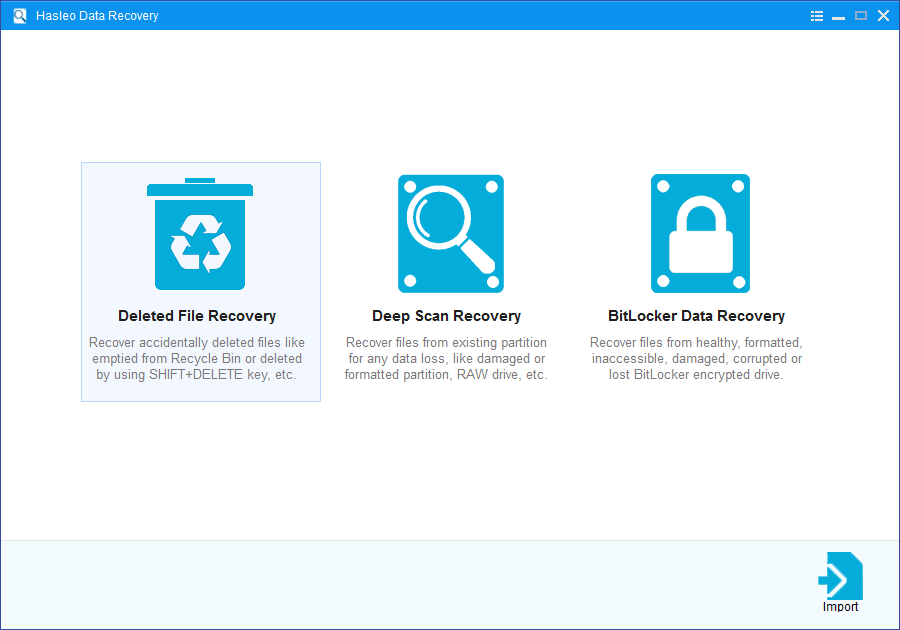
Step 1: Choose Deleted File Recovery
Download, install, and run Hasleo Data Recovery. On the main interface, select Deleted File Recovery mode.
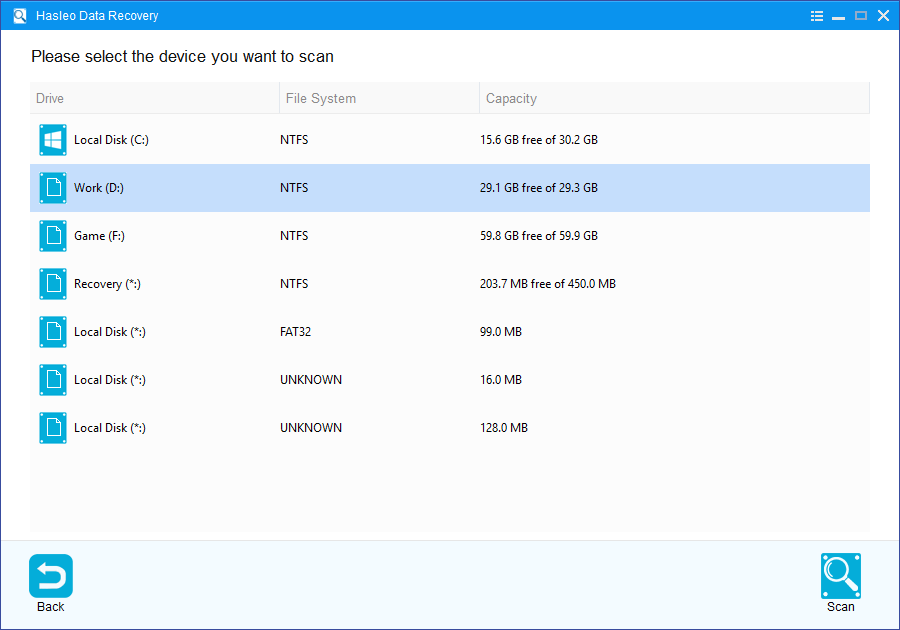
Step 2: Select a Location to Scan
Select the partition where you lost your files, then let the software scan it for recoverable data.
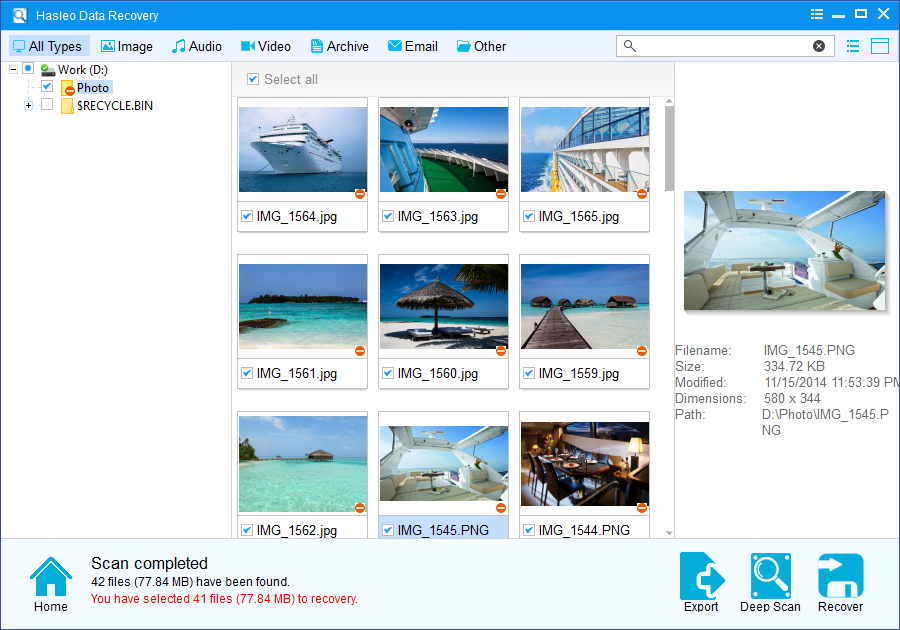
Step 3: Preview and Recover Deleted Files
The software will display a list of found files. You can preview them by path or by type. Select the files you want to recover, then click the "Recover" button to save them.
Important Notes:
- If some files are not found by Deleted File Recovery, please click "Deep Scan" button to start the Deep Scan Recovery process, deep scan takes more time, but can find much more lost files.
- If the device you want to recover data from is encrypted with BitLocker Drive Encryption, try BitLocker Data Recovery.
- Do not save recovered files to the original device where data loss occurred, as this may overwrite the lost data.
- You can export or save the scan results for later use or future recovery.
Frequently Asked Questions (FAQ)
A: Files can disappear after Windows 10 upgrade for several reasons: the upgrade process may create a Windows.old folder for rollback but occasionally fails to preserve all files, some applications may have compatibility issues causing data corruption or loss, disk cleanup tools triggered during upgrade may delete temporary files, driver updates can cause read/write errors on certain drives, and installation failures may corrupt or format partitions if the upgrade is interrupted.
A: First, check the Windows.old folder in your C: drive root—this contains the previous Windows installation files including your documents, desktop items, and program data. Navigate to C:\Windows.old\Users\YourName to find personal files. If the folder doesn't exist or is empty, use Hasleo Data Recovery to scan the drive for lost files. Check external drives or backup locations if you have them.
A: Yes, if Windows.old exists you can manually copy files from it: open File Explorer, go to C:\Windows.old\Users\, then navigate to your user folder (e.g., Desktop, Documents, Downloads). Copy the files you need to a new location. However, this folder may be automatically deleted after 10 days or by disk cleanup. If it's gone, use Hasleo Data Recovery to scan the drive for recoverable files.
A: If partitions changed or disappeared after upgrade, do not create new partitions or format any drives—this could destroy recoverable data. Use Hasleo Data Recovery to scan the entire disk and locate lost partitions or files. The software can identify partition boundaries and reconstruct access to files even if the partition table is corrupted. Recover files to a different drive to preserve the possibility of further recovery.
A: Before any major system upgrade: 1) Back up all important files to an external drive or cloud storage, 2) Create a full system image backup using tools like Hasleo Backup Suite, 3) Verify that backup copies are complete and accessible, 4) Disconnect unnecessary drives to prevent accidental formatting, 5) Ensure stable power during installation. Taking these precautions ensures you can restore everything if the upgrade causes any data loss.
Conclusion
As professional data recovery software, Hasleo Data Recovery makes it easy to recover lost files after upgrading to Windows 10 from Windows 7, 8, or 8.1.


