

As a leading manufacturer in the flash memory industry, SanDisk SD cards are trusted by millions of users worldwide. Photographers and smartphone users rely on SanDisk to capture life's most precious moments—from a child's first steps to milestone celebrations and everyday memories. Imagine losing those irreplaceable files. How would that feel?
Don't panic if you lose data from your SanDisk SD card. In most cases, lost data can be recovered. While professional data recovery services are an option, they can be expensive and time-consuming—not ideal for students or anyone on a budget who needs their files back quickly. A more practical solution is to use reliable SD card data recovery software. so as to solve the above mentioned case effectively. Hasleo Data Recovery is a trusted choice that makes SanDisk SD card data recovery simple, fast, and effective.

How to Recover Deleted or Lost Files from a SanDisk SD Card with Hasleo Data Recovery Free.
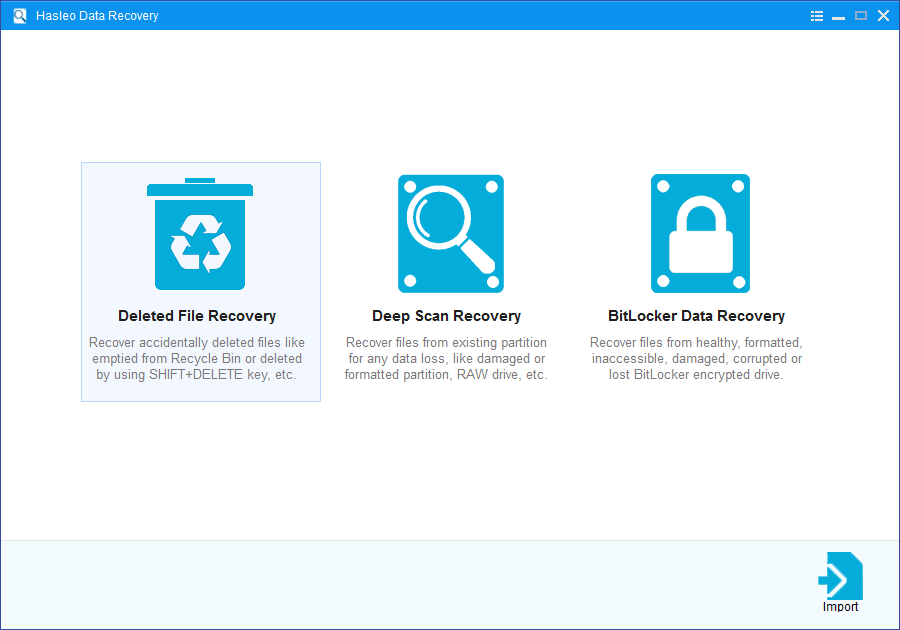
Step 1: Choose Deleted File Recovery
Connect the SD card to your PC. Download, install, and run Hasleo Data Recovery. You will then see a screen with several recovery options. Select Deleted File Recovery mode.
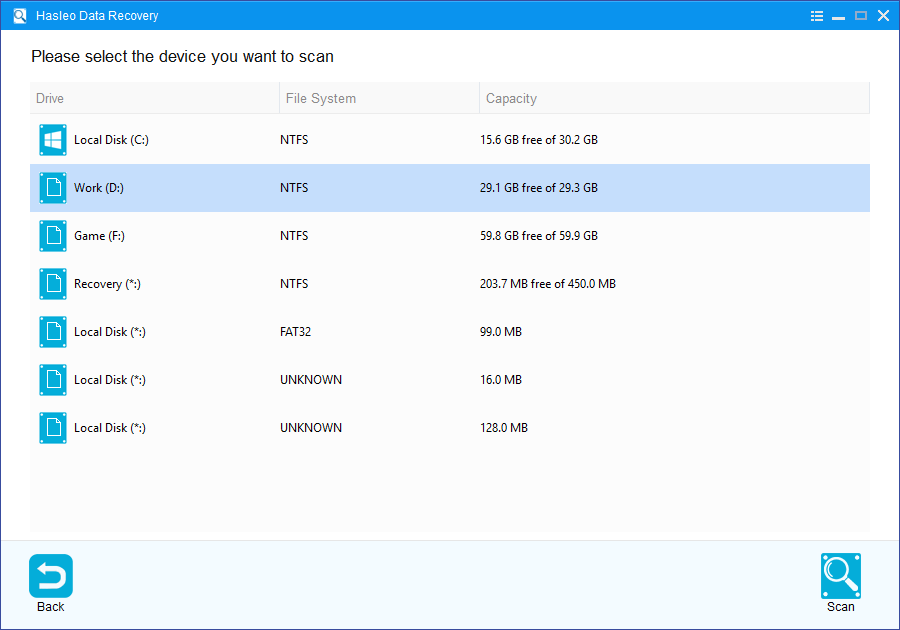
Step 2: Select the SD Card to Scan
Select the SD card where you lost your files, then let the software scan it for recoverable data.
Step 3: Preview and Recover Deleted Files
The software will display a list of found files. You can preview them by path or by type. Select the files you want to recover, then click the "Recover" button to save them.
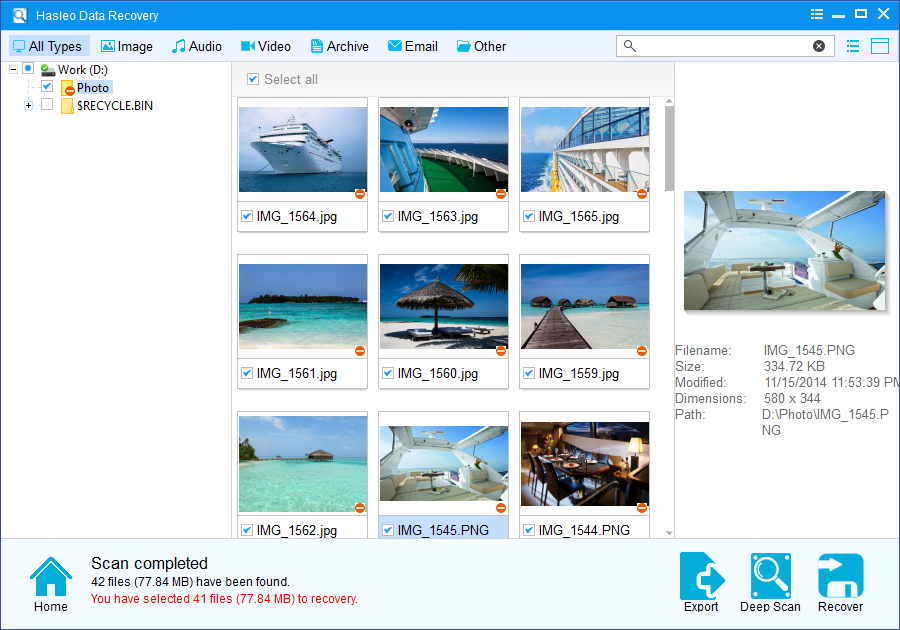
Hasleo Data Recovery Free is a professional SD card recovery solution that effectively recovers deleted or lost files from SanDisk SD cards.
Frequently Asked Questions (FAQ)
A: No, data recovery from SanDisk SD cards works the same as other brands—the underlying NAND flash technology and file systems are identical. Hasleo Data Recovery can recover deleted, formatted, or corrupted files from any SanDisk SD card regardless of the specific model or capacity. The recovery process reads raw data from the card, not the brand-specific firmware.
A: To recover photos from a SanDisk SD card: 1) Stop using the card immediately to prevent overwriting, 2) Connect the SD card to your computer using a card reader, 3) Run Hasleo Data Recovery and select Deleted File Recovery mode, 4) Select the SanDisk SD card and start the scan, 5) Preview found photos and select the ones you want to recover, 6) Save recovered photos to a different storage location. For better results, use Deep Scan mode.
A: Hasleo Data Recovery supports all SanDisk SD card models including Ultra, Extreme, Extreme Pro, and Nintendo-edition cards. It also supports all capacities from 2GB to 1TB. The recovery process works at the data level, making it compatible with any SanDisk SD card that your computer can recognize, regardless of the card's specific model or speed rating.
A: SanDisk SD cards become unreadable due to file system corruption, sudden removal during read/write operations, power failures, physical damage, or wear out. To recover data: 1) Try the card in a different reader or computer, 2) Check if it shows as RAW in Disk Management, 3) Use Hasleo Data Recovery's Deep Scan to find recoverable files, 4) If the card is not recognized at all, data recovery may require professional services with specialized equipment.
A: If your SanDisk SD card has a physical write-protect switch, flip it to unlock. For software-based write protection, use diskpart (attributes disk clear readonly) or edit the Registry (StorageDevicePolicies\WriteProtect = 0). Once write protection is removed, you can use Hasleo Data Recovery to scan the card and recover your files. If the card is still inaccessible, the lock may be permanent due to hardware failure.


